Technical SEO Quiz Set 1 – 20 Questions
Q1. What is Technical SEO primarily concerned with?
A. Content writing
B. Website structure & performance
C. Social media marketing
D. Email marketing
Q2. Which file tells search engines which pages to crawl?
A. sitemap.xml
B. robots.txt
C. .htaccess
D. index.html
Q3. What does “crawl budget” refer to?
A. Website hosting cost
B. Number of pages Google crawls on your site
C. Ad budget
D. Page speed score
Q4. Which HTTP status code means “Page Not Found”?
A. 200
B. 301
C. 404
D. 500
Q5. What is the purpose of canonical tags?
A. Increase page speed
B. Prevent duplicate content issues
C. Improve design
D. Add keywords
Q6. Which tag is used to prevent a page from being indexed?
A. nofollow
B. noindex
C. canonical
D. alt
Q7. What does HTTPS ensure?
A. Faster loading
B. Secure data transfer
C. Better UI
D. Keyword ranking
Q8. Which of the following improves page speed?
A. Large images
B. Minifying CSS & JS
C. Adding popups
D. Increasing ads
Q9. What is a sitemap used for?
A. Design layout
B. List of all website pages
C. Keyword research
D. Backlinks
Q10. What does “mobile-first indexing” mean?
A. Desktop version is primary
B. Mobile version is prioritized for indexing
C. Only mobile apps are indexed
D. Websites must be mobile apps
Q11. What is a 301 redirect used for?
A. Temporary redirect
B. Permanent redirect
C. Error page
D. Cache clearing
Q12. Which tool is used to check website indexing?
A. Google Analytics
B. Google Search Console
C. Canva
D. WordPress
Q13. What does structured data help with?
A. Page speed
B. Rich results in SERP
C. Hosting
D. Ads
Q14. What is “lazy loading”?
A. Slow website loading
B. Loading images only when needed
C. Blocking images
D. Removing images
Q15. Which metric is part of Core Web Vitals?
A. Bounce Rate
B. LCP (Largest Contentful Paint)
C. CPC
D. Impressions
Q16. What is duplicate content?
A. Unique articles
B. Same content on multiple URLs
C. Images only
D. Videos only
Q17. What is an XML sitemap?
A. HTML design file
B. File listing URLs for search engines
C. CSS file
D. JS file
Q18. What is the purpose of “nofollow”?
A. Block indexing
B. Prevent passing link equity
C. Improve speed
D. Add metadata
Q19. What does “indexing” mean?
A. Crawling pages
B. Storing pages in search engine database
C. Ranking pages
D. Deleting pages
Q20. What is site architecture?
A. Website color scheme
B. Structure and hierarchy of pages
C. Hosting server
D. Plugins used
Technical SEO Quiz SET 2 – Answers with Explanation
Q1. Answer: B. Website structure & performance
Explanation:
Technical SEO focuses on backend improvements like site speed, crawlability, indexing, and structure—not content or social media.
Q2. Answer: B. robots.txt
Explanation:
The robots.txt file instructs search engine bots which pages or sections they can or cannot crawl.
Q3. Answer: B. Number of pages Google crawls on your site
Explanation:
Crawl budget is the number of URLs Googlebot crawls within a given time. Large websites must optimize it.
Q4. Answer: C. 404
Explanation:
A 404 error means the page is not found. It negatively impacts user experience and SEO if excessive.
Q5. Answer: B. Prevent duplicate content issues
Explanation:
Canonical tags tell Google which version of a page is the original/preferred version, avoiding duplicate content penalties.
Q6. Answer: B. noindex
Explanation:
The noindex tag prevents search engines from adding a page to their index.
Q7. Answer: B. Secure data transfer
Explanation:
HTTPS encrypts data between user and server, improving security and trust, and is also a ranking factor.
Q8. Answer: B. Minifying CSS & JS
Explanation:
Minification reduces file size, improving page load speed—a critical ranking factor.
Q9. Answer: B. List of all website pages
Explanation:
A sitemap helps search engines discover and understand all important pages of your website.
Q10. Answer: B. Mobile version is prioritized for indexing
Explanation:
Google uses the mobile version of your website for indexing and ranking.
Q11. Answer: B. Permanent redirect
Explanation:
A 301 redirect permanently moves a page and passes most SEO value to the new URL.
Q12. Answer: B. Google Search Console
Explanation:
You can check indexing status, coverage, errors, and performance using Google Search Console.
Q13. Answer: B. Rich results in SERP
Explanation:
Structured data helps Google show rich snippets like ratings, FAQs, and product details.
Q14. Answer: B. Loading images only when needed
Explanation:
Lazy loading improves speed by loading images only when they enter the viewport.
Q15. Answer: B. LCP (Largest Contentful Paint)
Explanation:
LCP measures loading performance and is part of Core Web Vitals, along with CLS and INP.
Q16. Answer: B. Same content on multiple URLs
Explanation:
Duplicate content confuses search engines and may dilute ranking signals.
Q17. Answer: B. File listing URLs for search engines
Explanation:
An XML sitemap is a machine-readable file that helps search engines crawl your site efficiently.
Q18. Answer: B. Prevent passing link equity
Explanation:
The nofollow attribute tells search engines not to pass ranking value (link juice) to the linked page.
Q19. Answer: B. Storing pages in search engine database
Explanation:
Indexing is when Google stores your page in its database after crawling.
Q20. Answer: B. Structure and hierarchy of pages
Explanation:
Site architecture ensures proper navigation, internal linking, and better crawlability.
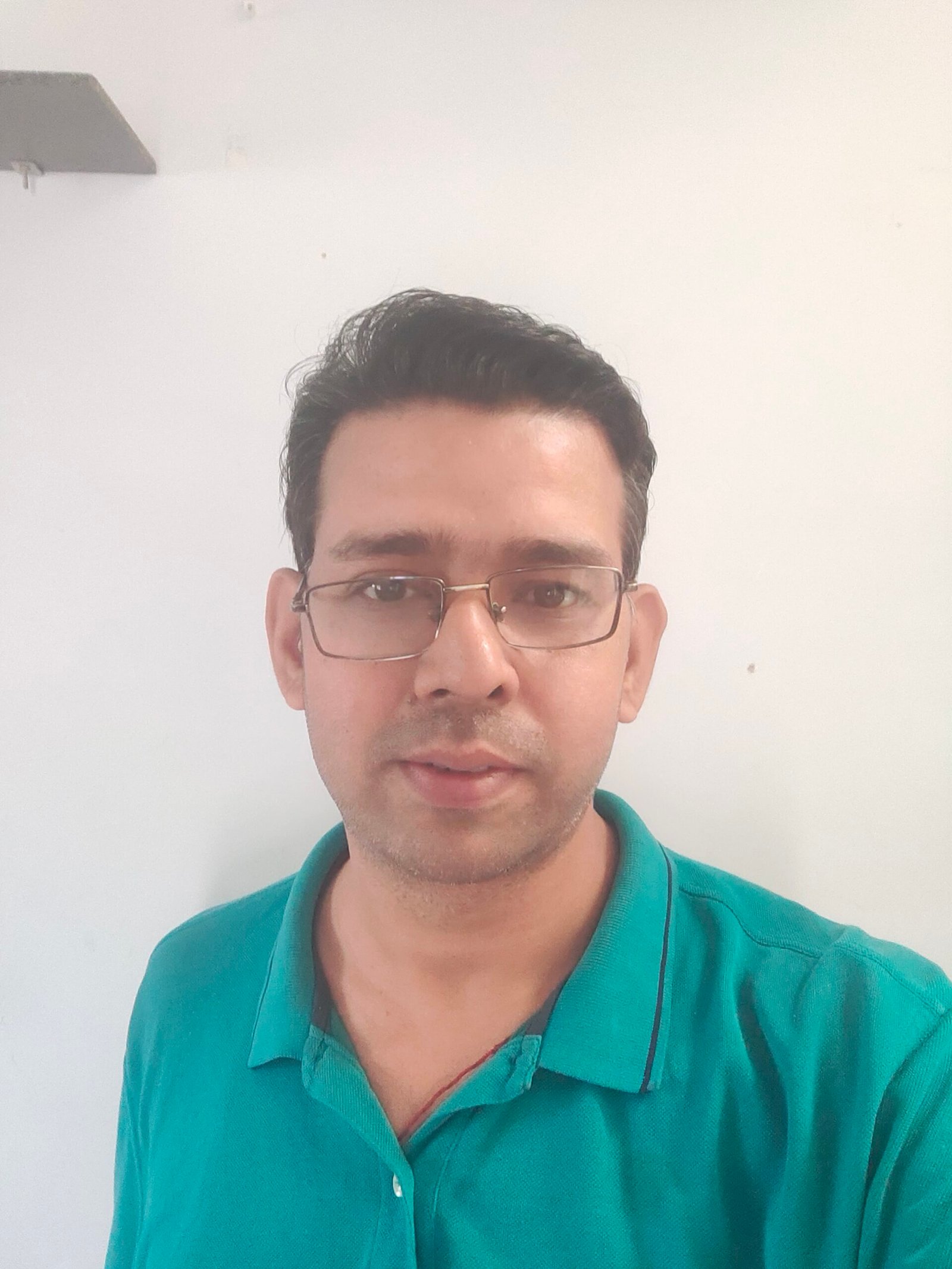
Ankit Srivastava is an IT trainer, technology educator, and digital skills mentor with expertise in programming, data analytics, AI, and software development. He has successfully trained thousands of learners, with more than 10,000 student enrollments on Udemy. His practical teaching approach empowers students and professionals to build in-demand technical skills. Colorstech channel where Ankit posts video tutorials has more than 8000 Subscribers.