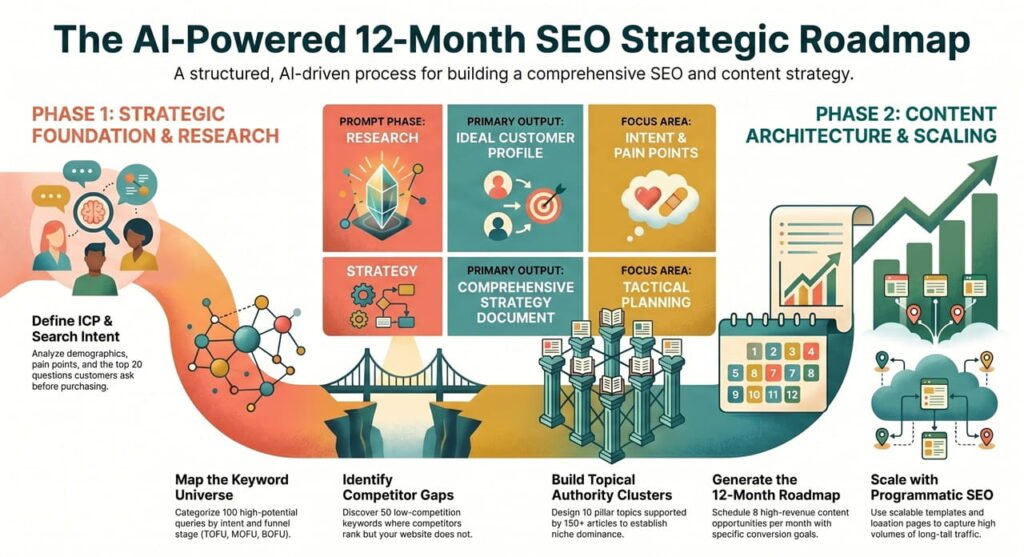
Hi, I’m Ankit, and over the last few years, the digital marketing industry has experienced one of the biggest transformations in its history. Traditional SEO is no longer the only strategy businesses need to focus on. Search engines are becoming smarter, AI assistants are changing how people search online, and users now expect direct, conversational, and highly personalized answers instead of browsing multiple websites. This shift has introduced a new concept that businesses, marketers, creators, and brands must understand in 2026 — AISO, which stands for AI Search Optimization.
AISO is the process of optimizing digital content for AI-powered search systems such as AI chatbots, conversational search engines, voice assistants, and AI-generated search summaries. Platforms like OpenAI, Google, Microsoft Bing, and Gemini are rapidly integrating AI into search experiences, which means businesses must now optimize not only for search engines but also for AI-driven answer systems.
In 2026, websites that fail to adapt to AI-driven discovery may lose visibility, traffic, and customers. On the other hand, businesses that understand AISO early can dominate AI search results, gain authority, increase conversions, and future-proof their digital presence. In this article, I will explain what AISO is, how it works, and why it has become one of the most important digital marketing strategies for the future.
Understanding the Meaning of AISO
AISO stands for Artificial Intelligence Search Optimization. It refers to the practice of optimizing websites, content, and digital assets so that AI-powered search systems can easily understand, interpret, and recommend them to users. Unlike traditional SEO, where websites compete for rankings on search engine result pages, AISO focuses on becoming a trusted source for AI-generated answers.
Modern AI search systems analyze context, user intent, semantic meaning, authority signals, structured data, engagement patterns, and topical expertise before recommending content. This means keyword stuffing and outdated SEO tactics are no longer effective. Instead, businesses need high-quality, deeply informative, and user-focused content that AI systems can confidently cite or summarize.
AISO also includes optimization for conversational queries. For example, users are no longer searching only with short phrases like “best digital marketing course.” Instead, they ask questions such as “Which institute offers the best practical digital marketing training with placement support?” AI systems analyze these natural-language queries and generate personalized responses.
In 2026, search is moving toward a conversational ecosystem where AI acts as an assistant instead of just a search engine. Businesses that structure their content for AI readability, contextual understanding, and trustworthiness will have a major competitive advantage. AISO is therefore not just an upgrade to SEO; it is becoming the foundation of modern digital visibility.
How AI-Powered Search Engines Are Changing User Behavior
User behavior has changed dramatically because of AI-powered search systems. Earlier, people visited multiple websites to compare information, read blogs, and make decisions. Today, AI tools provide instant summaries, recommendations, and direct answers. This significantly reduces the number of clicks users make before taking action.
Platforms like AI chatbots and AI-generated search summaries now act as digital advisors. Users ask detailed questions and receive conversational responses in seconds. This means businesses must optimize their content not only to rank but also to become the preferred information source for AI systems.
Another major change is voice-based and mobile conversational search. Many users now interact with AI assistants using natural speech instead of typing keywords. As a result, long-tail conversational queries have become extremely important. Businesses must create content that directly answers real-world user questions in a natural and structured way.
AI search systems also prioritize trust and authority. Websites with expertise, accurate information, strong branding, and well-structured content are more likely to appear in AI-generated responses. This makes content quality more important than ever before.
In 2026, businesses that continue relying only on traditional ranking methods may struggle to remain visible. User expectations have evolved, and search experiences are becoming more interactive and intelligent. AISO helps businesses align with these changes and ensures they remain discoverable in the AI-driven digital ecosystem.
The Difference Between Traditional SEO and AISO
Traditional SEO focuses mainly on ranking webpages in search engine results. It emphasizes backlinks, keyword optimization, page speed, technical structure, and search engine crawling. While these factors still matter, AISO introduces a broader and more intelligent approach to digital visibility.
AISO focuses on how AI systems interpret and recommend content. Instead of simply targeting keywords, businesses must optimize for meaning, relevance, user intent, topical authority, and conversational understanding. AI systems are designed to understand context rather than just exact keyword matches.
For example, traditional SEO may target a phrase like “best laptop for students,” while AISO requires content that answers related user concerns such as budget, performance, battery life, portability, and software compatibility. AI systems look for comprehensive and context-rich content rather than isolated keyword pages.
Another key difference is that AISO emphasizes structured and machine-readable information. AI systems rely heavily on schema markup, semantic organization, FAQs, entity recognition, and contextual relationships between topics. This allows AI to understand the content more accurately.
Traditional SEO often focuses on increasing clicks, whereas AISO focuses on becoming part of the answer itself. In many AI-driven experiences, users may get answers directly without visiting multiple websites. Therefore, businesses need authoritative content that AI trusts enough to reference.
In 2026, successful digital marketing strategies will combine both SEO and AISO. Businesses that understand this integration will dominate both traditional search results and AI-powered search ecosystems.
Why AISO Will Become Essential for Businesses in 2026
The importance of AISO in 2026 comes from the rapid expansion of AI-driven search experiences. AI assistants are becoming integrated into smartphones, browsers, enterprise systems, eCommerce platforms, and customer support systems. This means businesses can no longer depend solely on traditional search rankings.
One major reason AISO matters is visibility. AI-generated answers often display only a few trusted sources. If your content is optimized for AI interpretation, your business can become one of those recommended sources. This can dramatically increase authority and brand exposure.
AISO also improves customer engagement. AI systems prefer content that clearly answers questions, solves problems, and provides useful insights. Businesses that create educational and value-driven content will gain better visibility and stronger customer trust.
Another reason AISO is critical is the growing competition in digital marketing. Millions of websites compete for attention every day. AI search systems help filter this information and prioritize trusted, high-quality sources. Businesses without optimized content may become invisible in AI-powered environments.
Additionally, AISO supports voice search, multilingual discovery, mobile-first experiences, and personalized recommendations. This helps brands connect with wider audiences across different devices and platforms.
In 2026, AISO will no longer be optional. It will become a core strategy for online growth, lead generation, brand positioning, and digital survival. Businesses that adopt it early will gain a strong competitive advantage in the evolving AI-driven internet landscape.
The Role of Content Quality in AISO
Content quality is the backbone of AISO. AI systems are designed to prioritize information that is useful, trustworthy, well-structured, and contextually accurate. Low-quality content created only for rankings will struggle to perform in AI-powered search systems.
One of the most important aspects of AISO content is topical depth. AI systems prefer comprehensive content that fully explains a subject instead of shallow articles targeting a single keyword. Businesses should focus on creating educational, insightful, and problem-solving content that genuinely helps users.
Another important factor is readability. AI systems analyze sentence structure, clarity, semantic flow, and logical organization. Content should be easy to understand, properly formatted, and structured with headings, FAQs, bullet points, and contextual explanations.
Originality also matters. AI-powered search systems are becoming better at identifying duplicate, spammy, or low-value content. Brands that provide unique insights, case studies, experiences, and expert opinions are more likely to gain authority.
Trustworthiness is equally important. AI systems evaluate credibility through citations, author expertise, brand reputation, user engagement, and consistency across digital platforms. Businesses should maintain accurate information and establish themselves as reliable knowledge sources.
In 2026, content is no longer just about ranking on search engines. It is about becoming a trusted resource that AI systems confidently recommend to users. High-quality content will therefore remain one of the most powerful elements of successful AISO strategies.
Structured Data and Semantic Search in AISO
Structured data and semantic search play a major role in AISO because AI systems rely on contextual understanding instead of simple keyword matching. Structured data helps machines understand what a webpage actually represents, making it easier for AI systems to interpret information accurately.
Schema markup is one of the most important tools for this purpose. It helps define products, services, reviews, FAQs, events, articles, courses, and business details in a machine-readable format. AI systems use this information to generate more accurate summaries and recommendations.
Semantic search focuses on meaning and relationships between topics. Instead of matching exact keywords, AI systems understand user intent and contextual relevance. This means businesses should create interconnected content clusters around major topics rather than isolated keyword-focused pages.
For example, a digital marketing institute should not only create a page about SEO courses but also related content about AI marketing, analytics, content strategy, PPC, automation, and career guidance. This helps AI systems recognize topical authority.
Internal linking also becomes more important in semantic optimization. Proper linking between related pages helps AI systems understand the structure and hierarchy of information across a website.
In 2026, structured data and semantic optimization will become essential for AI visibility. Businesses that implement machine-readable organization and topic-focused content strategies will significantly improve their chances of being featured in AI-generated search experiences.
Voice Search and Conversational AI Optimization
Voice search is becoming a major part of digital interactions, especially with the increasing use of smartphones, smart speakers, wearable devices, and AI assistants. This shift is making conversational optimization one of the most important aspects of AISO.
Unlike traditional search queries, voice searches are longer and more natural. Users ask complete questions such as “Which institute offers the best practical digital marketing training near me?” AI systems analyze conversational intent and provide direct answers.
To optimize for conversational AI, businesses should create content that mirrors natural human language. FAQ sections, question-based headings, and conversational explanations help AI systems understand and deliver relevant responses.
Local optimization is also critical because many voice searches have local intent. Businesses should maintain updated profiles, accurate business information, reviews, and location-based content. AI systems often use this information when generating recommendations.
Another important factor is mobile optimization. Since voice searches primarily happen on mobile devices, websites must load quickly, provide smooth navigation, and deliver excellent user experiences across all screen sizes.
Conversational AI optimization also includes understanding user intent beyond keywords. Businesses must focus on solving real problems and answering user concerns directly and clearly.
In 2026, voice search and conversational AI will continue expanding rapidly. Businesses that optimize for natural-language interactions will gain stronger visibility, higher engagement, and better customer accessibility in the AI-driven digital environment.
The Impact of AISO on Digital Marketing Careers
AISO is not only transforming businesses but also reshaping digital marketing careers. Professionals who understand AI-driven optimization strategies will be in high demand across industries in 2026 and beyond.
Traditional SEO experts are now expected to learn semantic search optimization, AI content strategies, structured data implementation, prompt-based content planning, and conversational marketing techniques. The industry is shifting toward AI-integrated marketing approaches.
Content creators will also need to adapt. Instead of producing keyword-heavy articles, writers must create authoritative, educational, and AI-friendly content that provides genuine value. Understanding how AI interprets information will become a critical skill.
Digital marketers who understand AISO can help businesses improve visibility across AI-powered platforms, voice assistants, AI summaries, and conversational search environments. This creates strong career opportunities in agencies, startups, enterprises, and freelance consulting.
Data analysis and user behavior understanding will become even more important because AI-driven systems rely heavily on engagement patterns and contextual signals. Professionals who combine analytics with AI optimization strategies will have a significant advantage.
Educational institutions and training centers must therefore update their curriculum to include AI search optimization techniques. In 2026, AISO knowledge will likely become a core requirement for modern digital marketing professionals aiming to stay competitive in the evolving industry.
Future Trends of AISO Beyond 2026
The future of AISO extends far beyond simple search optimization. AI systems are evolving into intelligent digital companions capable of understanding user preferences, emotions, contexts, and predictive behaviors. This means digital marketing strategies will become increasingly personalized and AI-driven.
One future trend is predictive search optimization, where AI systems anticipate user needs before users even complete their queries. Businesses will need highly contextual and data-rich content to remain relevant in these experiences.
Another emerging trend is multimodal AI search, which combines text, voice, images, and video understanding. Businesses must optimize content across multiple formats because AI systems will increasingly interpret visual and audio information alongside text.
Hyper-personalization will also become more important. AI systems may generate customized recommendations based on browsing behavior, location, interests, and past interactions. Businesses with strong audience understanding and personalized content strategies will gain major advantages.
AI-generated shopping experiences, virtual assistants, and automated customer support systems will further increase the importance of machine-readable and context-rich content. Brands that integrate AI-friendly digital ecosystems will lead future markets.
Trust and authenticity will become even more critical as AI systems prioritize reliable and expert-driven sources. Businesses that consistently produce accurate, valuable, and transparent content will dominate future AI search ecosystems.
AISO is therefore not a short-term trend. It represents the next evolution of digital discovery and online visibility in the AI-powered internet era.
How SlideScope Institute Can Help
SlideScope Institute can help students, professionals, entrepreneurs, and businesses understand and implement modern AISO strategies for the future of digital marketing. As AI-powered search continues to evolve, practical training and industry-focused learning have become essential.
At SlideScope Institute, learners can gain hands-on knowledge of digital marketing, SEO, AI search optimization concepts, content strategy, analytics, WordPress development, structured data implementation, and AI-driven marketing workflows. The focus is on practical learning rather than only theoretical concepts.
The institute also helps students understand how modern search engines, AI assistants, and conversational platforms interpret digital content. Learners can develop real-world skills in semantic SEO, content optimization, schema markup, analytics tracking, and AI-integrated marketing strategies.
Businesses and entrepreneurs can benefit from customized training programs designed to improve digital visibility, online branding, and AI readiness. With the rapid rise of AI-powered search experiences, understanding AISO can provide a strong competitive advantage in the market.
SlideScope Institute aims to prepare learners for the future digital ecosystem by combining modern technologies, industry trends, practical implementation, and career-focused guidance. In 2026 and beyond, these skills will become increasingly valuable for professionals looking to succeed in the AI-driven marketing world.
Conclusion
AISO is rapidly becoming one of the most important digital marketing strategies for the future. As AI-powered search systems continue transforming how users discover information, businesses must evolve beyond traditional SEO methods and adapt to intelligent, conversational, and context-driven search experiences.
In 2026, AI systems will influence how websites are discovered, recommended, and trusted. Businesses that optimize for AI understanding, semantic relevance, structured information, and conversational interactions will gain a massive advantage in visibility and customer engagement. AISO is not just about rankings; it is about becoming a trusted digital authority that AI systems confidently recommend.
The future internet will increasingly rely on AI-generated summaries, voice interactions, personalized recommendations, and conversational search platforms. This means businesses, marketers, and creators must rethink how they create content, structure information, and build online authority.
High-quality content, semantic optimization, structured data, conversational experiences, and trustworthiness will define success in AI-driven search environments. Professionals who understand these concepts will become highly valuable in the digital marketing industry.
For businesses, adopting AISO early can lead to stronger branding, increased traffic, improved customer trust, and better long-term digital growth. For students and professionals, learning AISO can open new career opportunities in one of the fastest-growing areas of technology and marketing.
The digital world is evolving rapidly, and AI is becoming central to online discovery. Those who understand and embrace AISO today will be the leaders of tomorrow’s digital economy.

Ankit Srivastava is an IT trainer, technology educator, and digital skills mentor with expertise in programming, data analytics, AI, and software development. He has successfully trained thousands of learners, with more than 10,000 student enrollments on Udemy. His practical teaching approach empowers students and professionals to build in-demand technical skills. Colorstech channel where Ankit posts video tutorials has more than 8000 Subscribers.